Blog

The Silent Language: A Psychological Guide to Reading People with Empathy and Precision
Human interaction is often compared to an iceberg. The words we exchange - the literal data of our conversations - represent only the small, visible tip above the waterline. Beneath the surface lies a vast, complex mass of non-verbal cues, emotional undercurrents, and psychological defenses. Learning how to "read" people is not about performing magic tricks or manipulative "mind reading." Rather, it is the sophisticated practice of active observation and emotional intelligence.
28 apr. 2026
How AI is Reshaping the Architecture of Self-Esteem
For decades, the journey toward healthy self-esteem was a solitary one, often confined to the pages of a private journal or the quiet corners of a therapist's office. However, as we navigate the complexities of the mid-2020s, a new ally has emerged in the quest for self-worth: Artificial Intelligence. Far from being a cold, impersonal force, AI is proving to be a uniquely effective tool for dismantling the cognitive distortions that keep us trapped in cycles of self-doubt.
28 apr. 2026
A Psychological Blueprint for Managing Social Anxiety
Social anxiety is often misunderstood as mere shyness or a personality trait belonging to introverts. In reality, it is a complex psychological state characterized by an intense, persistent fear of being watched and judged by others. From a clinical perspective, social anxiety is less about a lack of social skills and more about an overactive "threat detection" system. It is the brain misinterpreting a cocktail party or a business meeting as a high-stakes survival situation.
28 apr. 2026
Recognizing the Subtle Architecture of Emotional Exhaustion
We live in a culture that treats endurance as a virtue and rest as a luxury. Often, we don't realize we are running on empty until the engine completely stalls. Emotional exhaustion is not merely "feeling tired" after a long week; it is a chronic state of physical and emotional depletion that results from accumulated stress from personal or work life, or a combination of both. It is the feeling of being "over-extended" to the point where the internal well has run dry. From a psychological perspective, emotional exhaustion is a core component of burnout. It occurs when the demands placed upon us consistently exceed our resources for coping. Unlike physical tiredness, which a good night’s sleep can usually remedy, emotional exhaustion settles into the bones and the psyche, altering how we perceive our world and ourselves.
28 apr. 2026
A Psychological Guide to Finding Motivation Amidst Depression
Motivation is often viewed as a spark - a sudden burst of energy that propels us into action. However, for those navigating the heavy, gray landscape of depression, motivation isn't just absent; it feels fundamentally broken. From a clinical perspective, depression involves a complex interplay of neurochemical imbalances and cognitive "short-circuits" that make the simplest tasks feel like climbing a mountain.
28 apr. 2026
The Psychology of Purpose: How To Set Goals That Work For You
We are often told that the key to success is simply "wanting it more." We are inundated with productivity hacks, rigid frameworks, and the relentless pressure to optimize every waking hour. Yet, for many, the arrival of a new month or year brings a familiar cycle: a burst of initial enthusiasm followed by a slow, guilt-ridden drift away from our intentions.
28 apr. 2026
The Architecture of Affection: Decoding the Psychology of Dating Compatibility
Compatibility is often discussed as if it were a mysterious celestial alignment - a "spark" that either exists or does not. However, from a psychological perspective, compatibility is far more structured. It is the complex interlocking of two distinct personality architectures. Understanding why we gravitate toward certain individuals, and why some relationships flourish while others falter, requires looking beneath the surface of shared hobbies into the bedrock of psychological traits.
28 apr. 2026
AI for Mental Health: How Technology Reshapes Self-Discovery
Explore the psychological shift toward AI mental health support. Learn how digital companions help with emotional regulation, cognitive reframing, and self-knowledge through a professional lens.
22 apr. 2026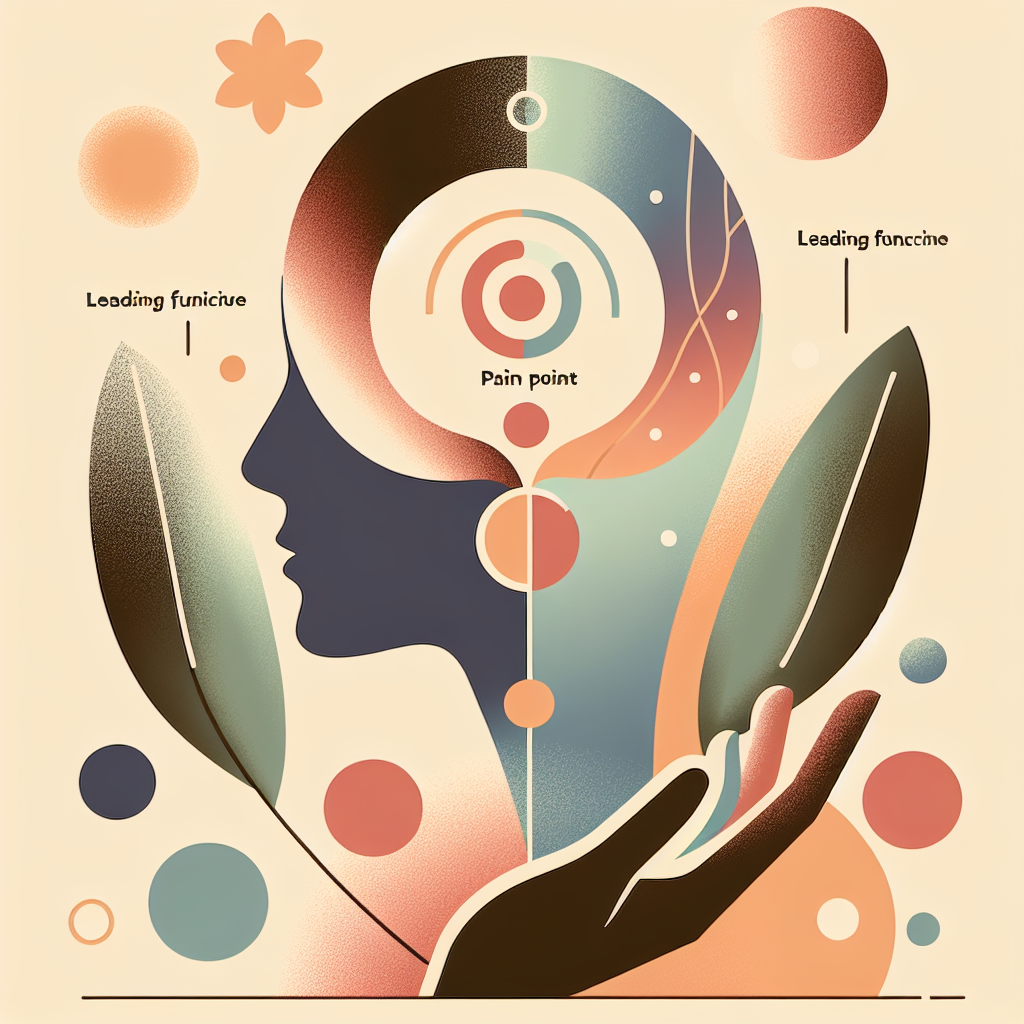
Du är inte lat. Du använder dig själv fel.
Det finns en fråga som ingen egentligen ställer: varför använder du inte din intelligens och dina förmågor till sin fulla potential just nu? Problemet är inte lathet. Problemet är vilken del av dig själv du faktiskt opererar från. Alla har en ledande funktion - din energikälla - och en smärtpunkt - platsen där din energi rinner ut. När du bygger ditt liv kring din smärtpunkt, stänger din hjärna av strömmen. Inte för att du är svag. Utan för att den skyddar dig från utbrändhet. Tänk på det: du försöker vara en systemkontroller när din natur är att generera idéer och möjligheter. Eller det motsatta. Du lägger allt i det, men flyttar knappt nålen. Och du börjar tänka att det är något fel på dig. Att du inte är tillräckligt disciplinerad. Inte tillräckligt motiverad. Bara lat. Men så är det inte. Det är inte du. Det är hur du använder dig själv. Genier är inte speciella människor. De är människor som har lärt sig att leva från sin ledande funktion. De kämpar inte mot sig själva varje dag - de fungerar från den plats där saker kommer naturligt och kraftfullt. I AimLive ser du dig själv genom fyra funktioner: Medveten, Kreativ, Smärtpunkt och Omedveten. Du förstår var du förlorar energi och var din verkliga styrka finns. Du slutar kämpa mot symptomen och börjar arbeta med den verkliga orsaken. Inuti finns det 5 AI-specialister: en målcoach, en strategisk visionär, en kopplingsexpert, en psykolog-typolog och en relationsharmoniserare. Plus en guide med dig 24/7. Den mest ärliga frågan du kan ställa dig själv just nu: är sättet jag lever på faktiskt vad jag vill - eller har jag bara blivit riktigt bra på att passa in i någon annans idé om normalitet?
22 apr. 2026