Журнал

Блог

Психология, отношения, мотивация, выгорание и самопознание. Ищите по названию, ключевым словам или идеям внутри статьи.

Поиск работает по названию, описанию, ключевым словам и тексту статьи, без необходимости вводить точную фразу подряд.

24 из 24 статей
10

What is a toxic relationship

Pop culture has diluted the word "toxic," often using it to describe any relationship with conflict. However, from a clinical perspective, a toxic relationship is not defined by normal arguments. It is defined by a syste…

16

The Silent Language: A Psychological Guide to Reading People with Empathy and Precision

Human interaction is often compared to an iceberg. The words we exchange - the literal data of our conversations - represent only the small, visible tip above the waterline. Beneath the surface lies a vast, complex mass of non-verbal cues, emotional undercurrents, and psychological defenses. Learning how to "read" people is not about performing magic tricks or manipulative "mind reading." Rather, it is the sophisticated practice of active observation and emotional intelligence.

17

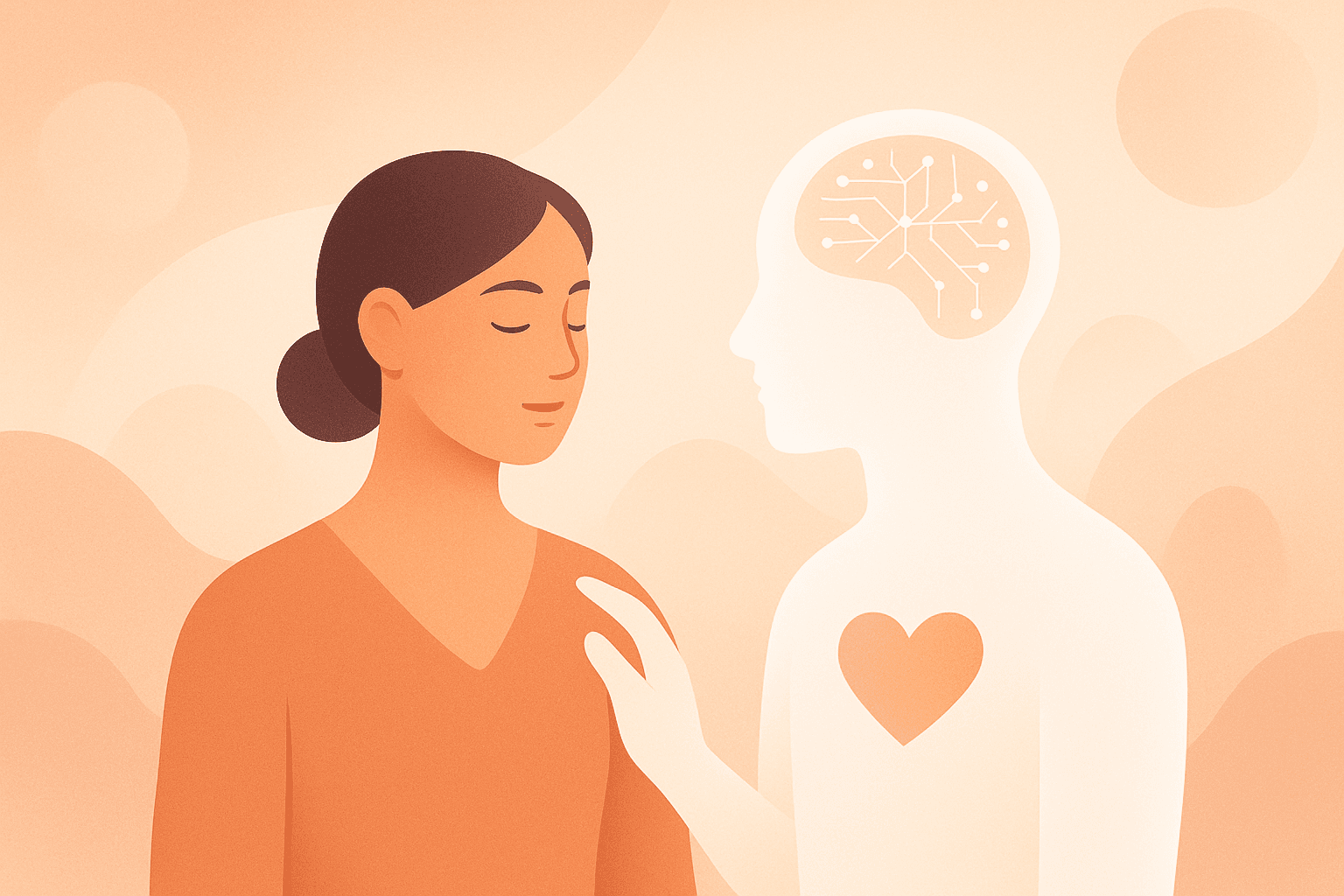
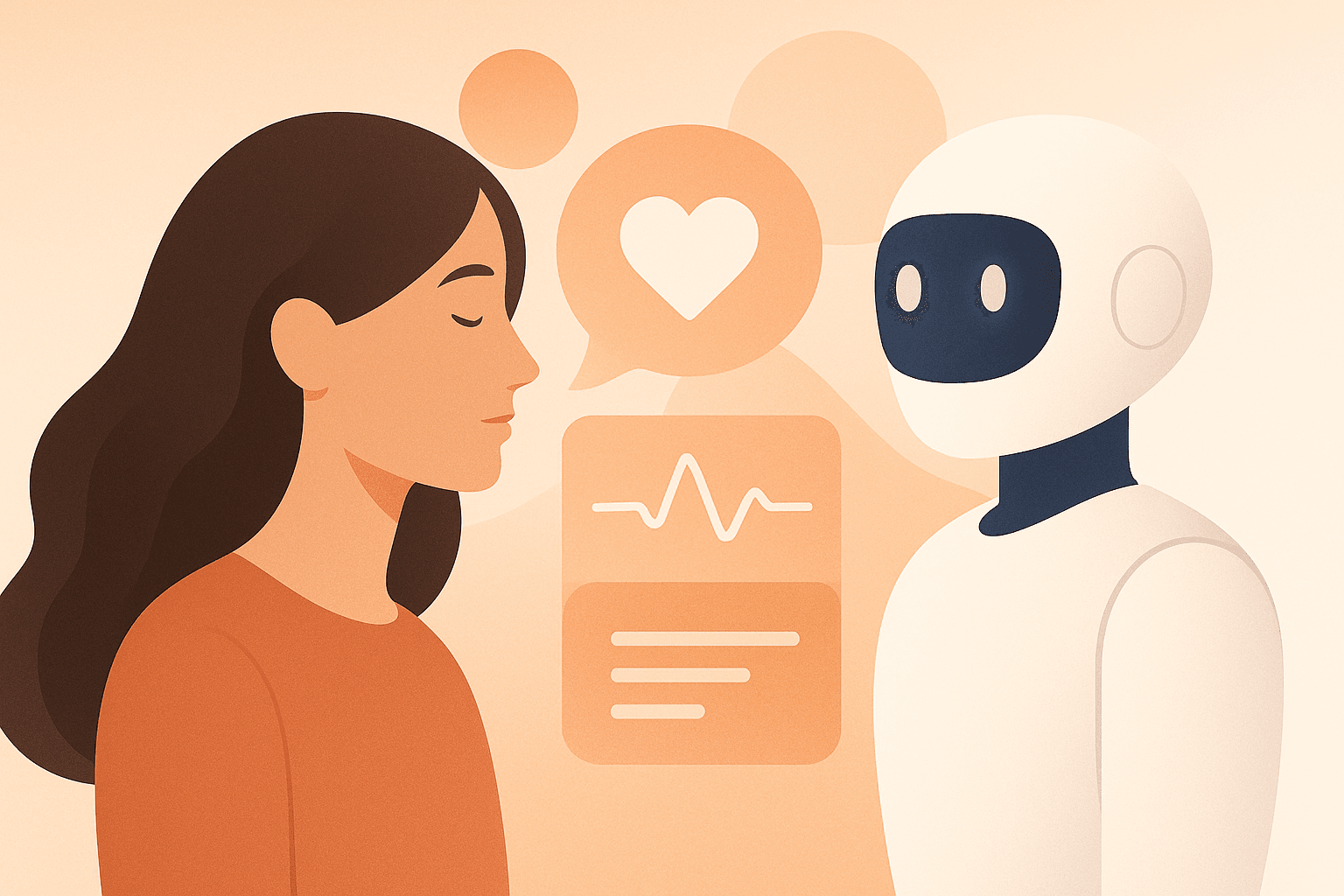
How AI is Reshaping the Architecture of Self-Esteem

For decades, the journey toward healthy self-esteem was a solitary one, often confined to the pages of a private journal or the quiet corners of a therapist's office. However, as we navigate the complexities of the mid-2020s, a new ally has emerged in the quest for self-worth: Artificial Intelligence. Far from being a cold, impersonal force, AI is proving to be a uniquely effective tool for dismantling the cognitive distortions that keep us trapped in cycles of self-doubt.

18

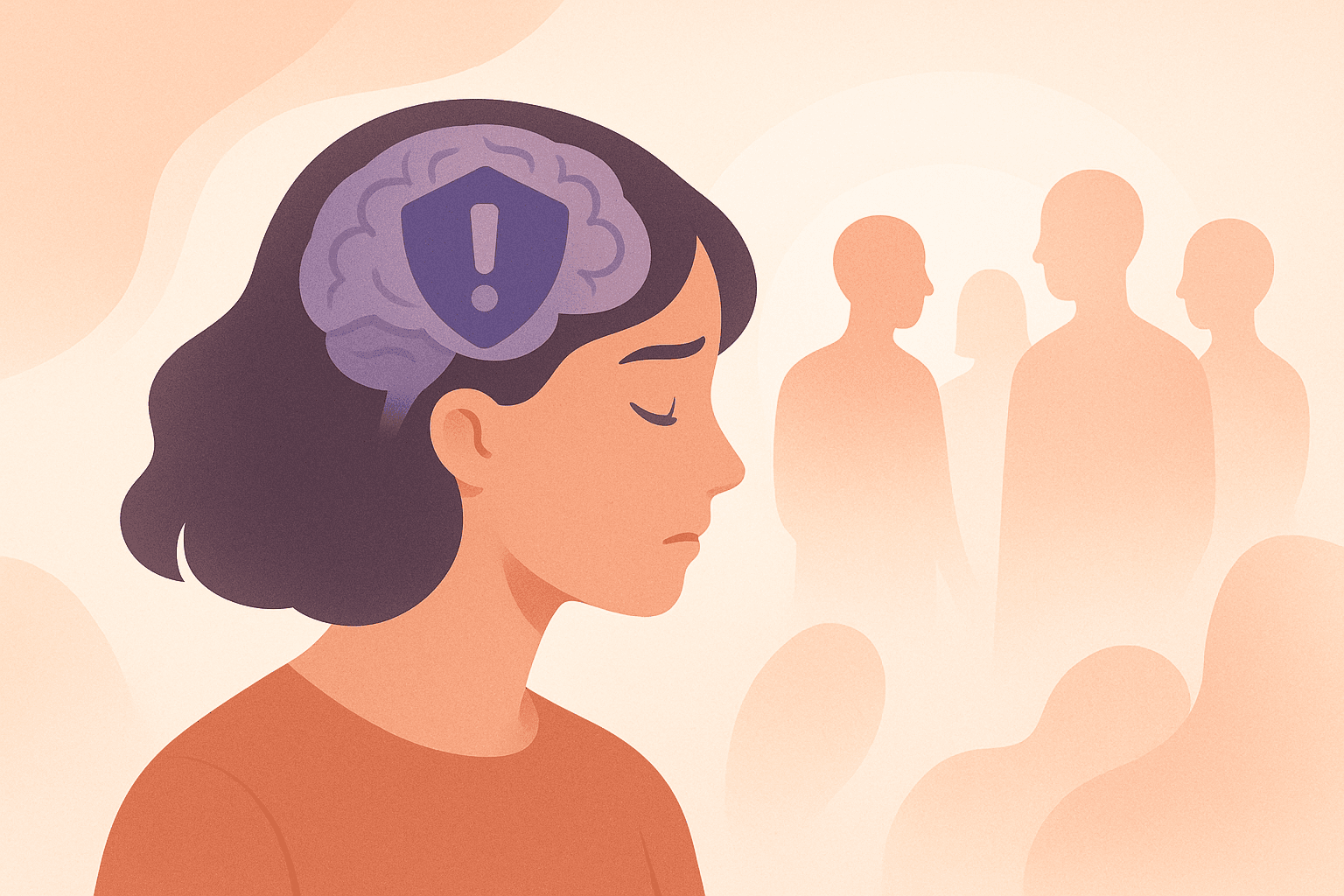
A Psychological Blueprint for Managing Social Anxiety

Social anxiety is often misunderstood as mere shyness or a personality trait belonging to introverts. In reality, it is a complex psychological state characterized by an intense, persistent fear of being watched and judged by others. From a clinical perspective, social anxiety is less about a lack of social skills and more about an overactive "threat detection" system. It is the brain misinterpreting a cocktail party or a business meeting as a high-stakes survival situation.

19

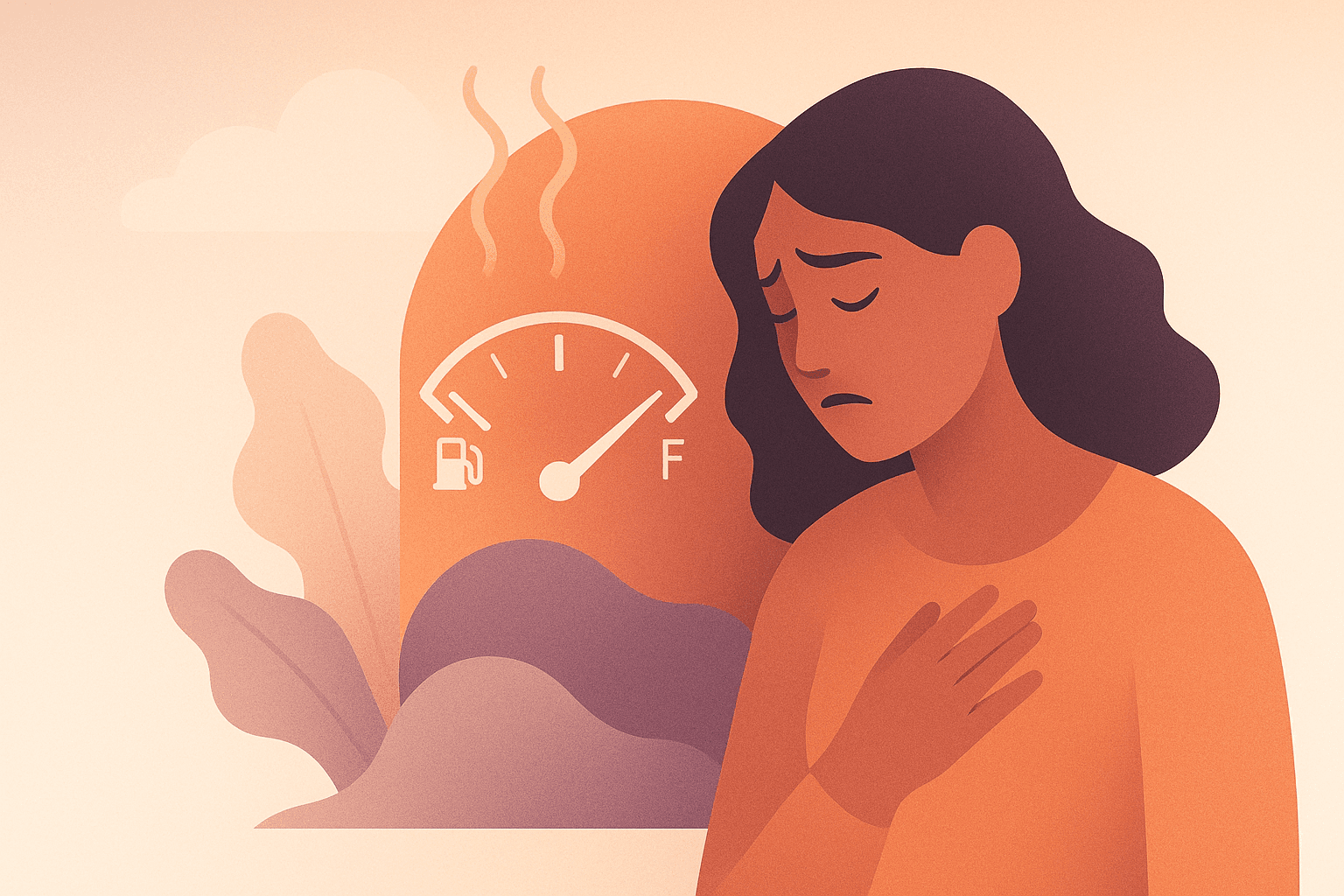
Recognizing the Subtle Architecture of Emotional Exhaustion

We live in a culture that treats endurance as a virtue and rest as a luxury. Often, we don't realize we are running on empty until the engine completely stalls. Emotional exhaustion is not merely "feeling tired" after a long week; it is a chronic state of physical and emotional depletion that results from accumulated stress from personal or work life, or a combination of both. It is the feeling of being "over-extended" to the point where the internal well has run dry. From a psychological perspective, emotional exhaustion is a core component of burnout. It occurs when the demands placed upon us consistently exceed our resources for coping. Unlike physical tiredness, which a good night’s sleep can usually remedy, emotional exhaustion settles into the bones and the psyche, altering how we perceive our world and ourselves.

20

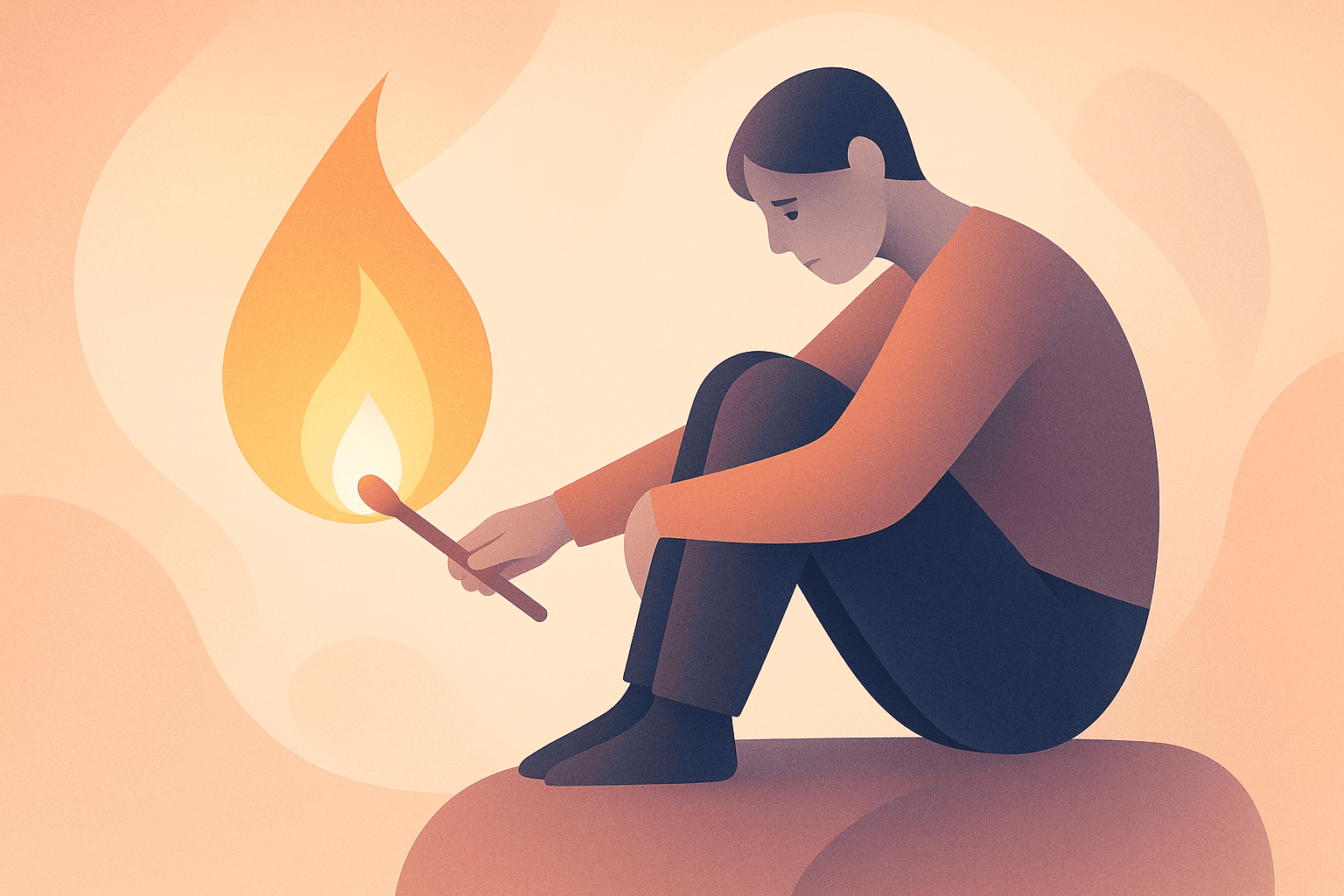
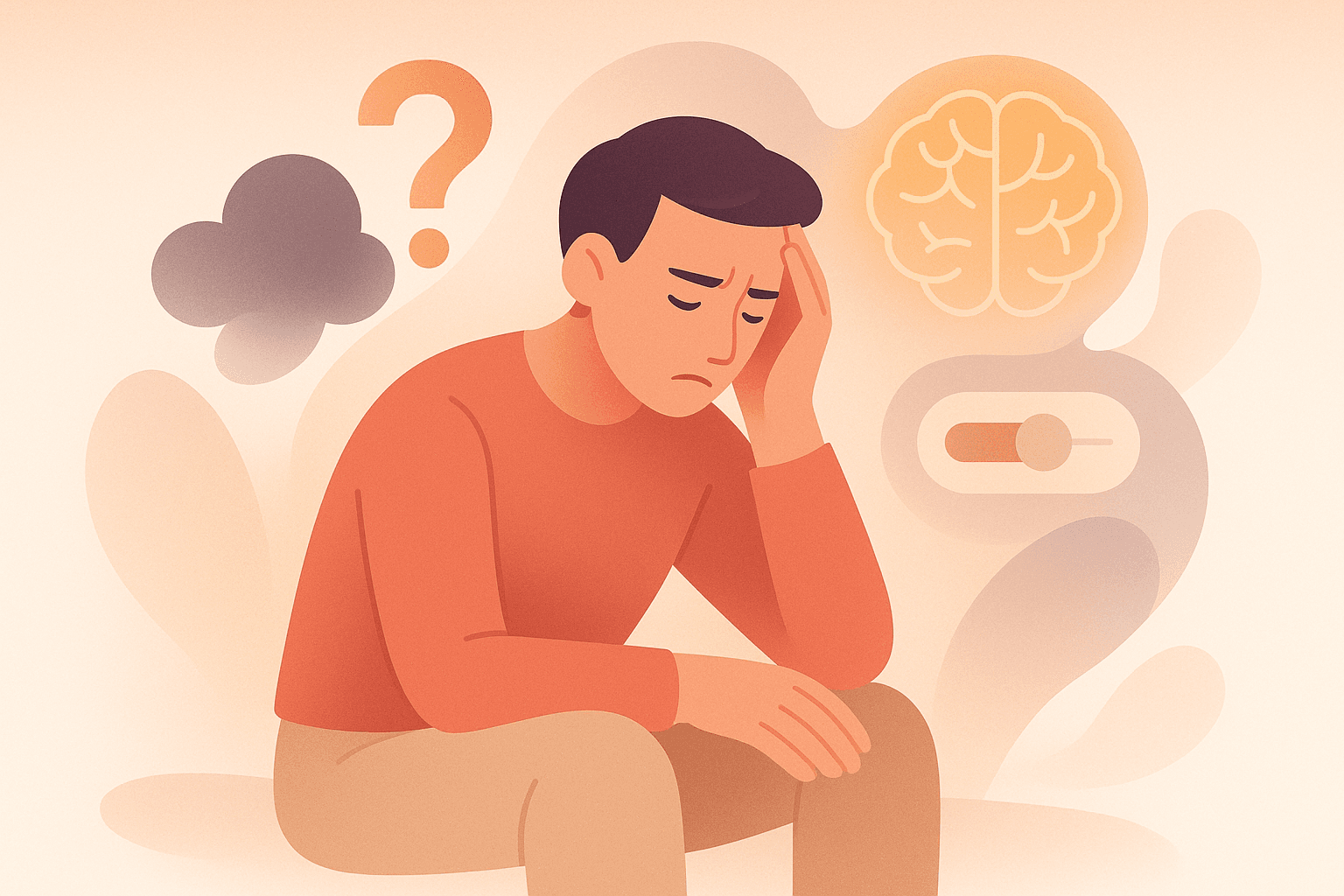
A Psychological Guide to Finding Motivation Amidst Depression

Motivation is often viewed as a spark - a sudden burst of energy that propels us into action. However, for those navigating the heavy, gray landscape of depression, motivation isn't just absent; it feels fundamentally broken. From a clinical perspective, depression involves a complex interplay of neurochemical imbalances and cognitive "short-circuits" that make the simplest tasks feel like climbing a mountain.

21

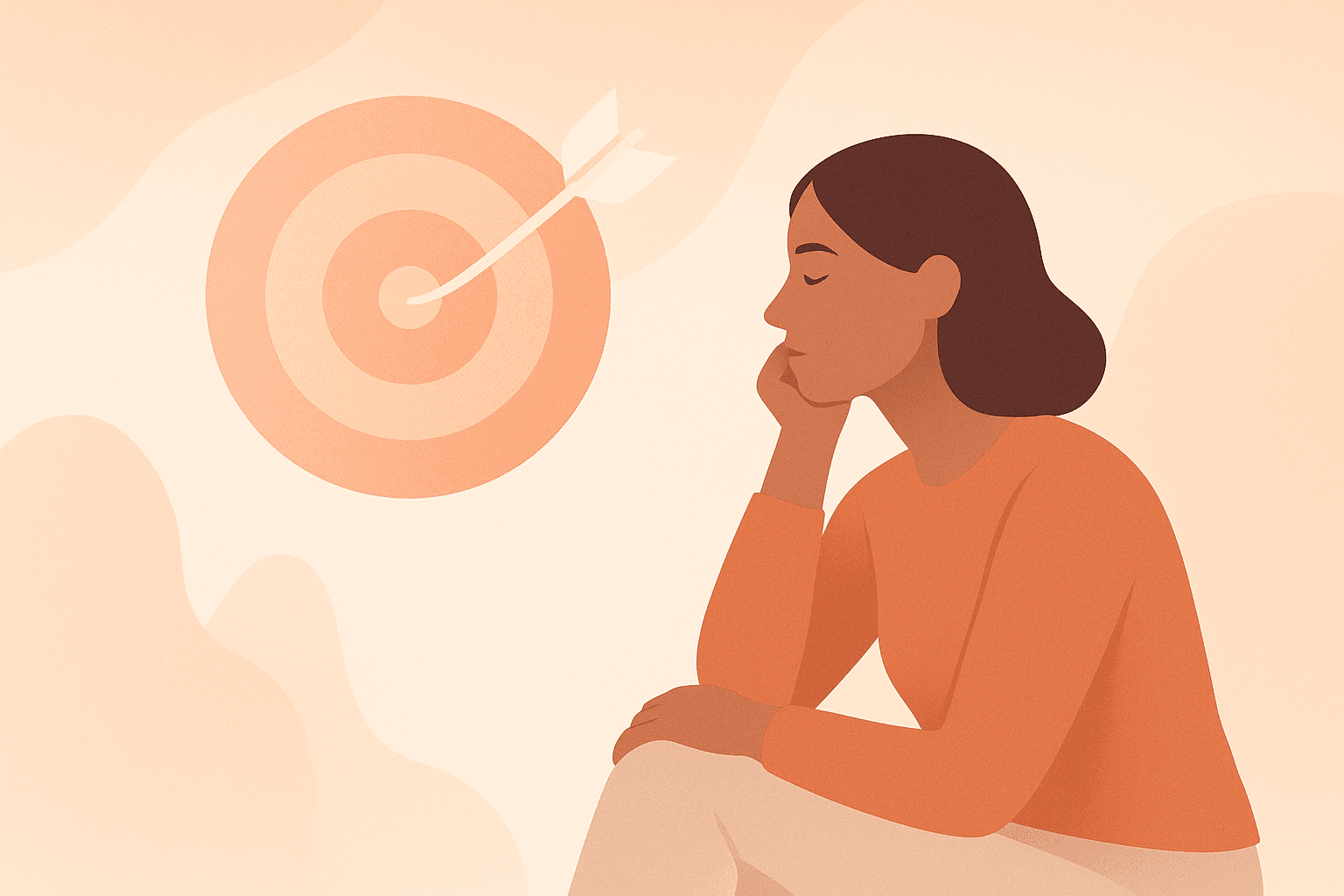
The Psychology of Purpose: How To Set Goals That Work For You

We are often told that the key to success is simply "wanting it more." We are inundated with productivity hacks, rigid frameworks, and the relentless pressure to optimize every waking hour. Yet, for many, the arrival of a new month or year brings a familiar cycle: a burst of initial enthusiasm followed by a slow, guilt-ridden drift away from our intentions.

22

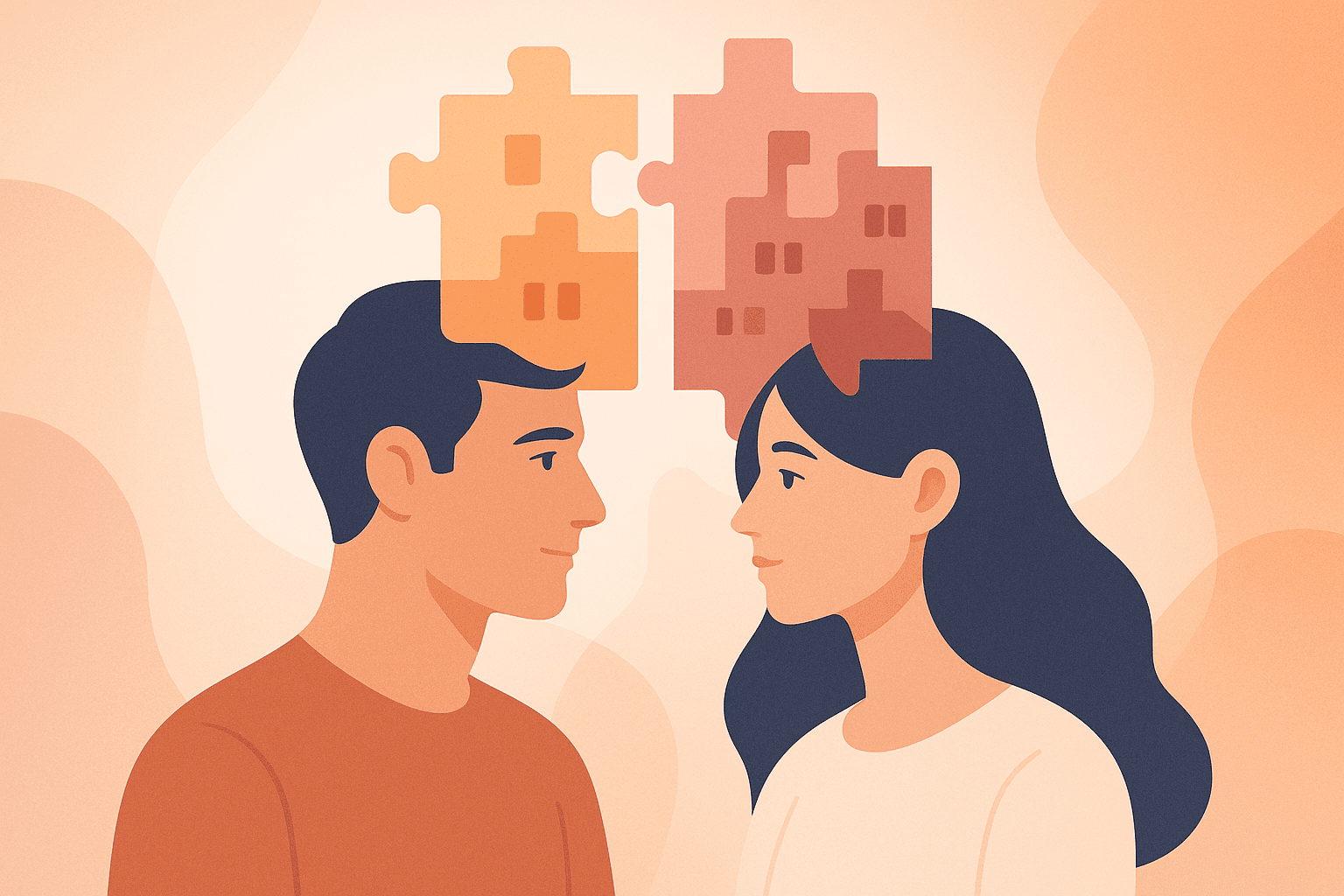
The Architecture of Affection: Decoding the Psychology of Dating Compatibility

Compatibility is often discussed as if it were a mysterious celestial alignment - a "spark" that either exists or does not. However, from a psychological perspective, compatibility is far more structured. It is the complex interlocking of two distinct personality architectures. Understanding why we gravitate toward certain individuals, and why some relationships flourish while others falter, requires looking beneath the surface of shared hobbies into the bedrock of psychological traits.

24

Вы не ленивы. Вы неправильно используете себя.

Есть вопрос, который никто на самом деле не задает: почему вы не используете свой интеллект и способности на полную мощность прямо сейчас? Проблема не в лени. Проблема в том, с какой частью себя вы на самом деле действуете. У каждого есть ведущая функция - ваш источник энергии - и болевая точка - место, где ваша энергия уходит. Когда вы строите свою жизнь вокруг своей болевой точки, ваш мозг отключает питание. Не потому, что вы слабый. Потому что он защищает вас от выгорания. Подумайте об этом: вы пытаетесь быть контролером систем, когда ваша природа - генерировать идеи и возможности. Или наоборот. Вы вкладываете все свои силы, но едва сдвигаете стрелку. И вы начинаете думать, что с вами что-то не так. Что вы недостаточно дисциплинированы. Недостаточно мотивированы. Просто ленивы. Но это не так. Это не вы. Это то, как вы используете себя. Гении - это не особенные люди. Это люди, которые научились жить из своей ведущей функции. Они не сражаются с собой каждый день - они действуют из места, где все приходит естественно и мощно. В AimLive вы видите себя через четыре функции: Осознанный, Креативный, Болевая точка и Бессознательный. Вы понимаете, где теряете энергию и где находится ваша настоящая сила. Вы прекращаете бороться с симптомами и начинаете работать над реальной причиной. Внутри есть 5 специалистов по ИИ: коуч по целям, стратег-визионер, эксперт по связям, психолог-типолог и гармонизатор отношений. Плюс гид, который с вами 24/7. Самый честный вопрос, который вы можете задать себе прямо сейчас: действительно ли тот способ, которым я живу, то, что я хочу - или я просто стал очень хорош в том, чтобы вписываться в чье-то представление о норме?