Blog

The Silent Language: A Psychological Guide to Reading People with Empathy and Precision
Human interaction is often compared to an iceberg. The words we exchange - the literal data of our conversations - represent only the small, visible tip above the waterline. Beneath the surface lies a vast, complex mass of non-verbal cues, emotional undercurrents, and psychological defenses. Learning how to "read" people is not about performing magic tricks or manipulative "mind reading." Rather, it is the sophisticated practice of active observation and emotional intelligence.
2026年4月28日
How AI is Reshaping the Architecture of Self-Esteem
For decades, the journey toward healthy self-esteem was a solitary one, often confined to the pages of a private journal or the quiet corners of a therapist's office. However, as we navigate the complexities of the mid-2020s, a new ally has emerged in the quest for self-worth: Artificial Intelligence. Far from being a cold, impersonal force, AI is proving to be a uniquely effective tool for dismantling the cognitive distortions that keep us trapped in cycles of self-doubt.
2026年4月28日
A Psychological Blueprint for Managing Social Anxiety
Social anxiety is often misunderstood as mere shyness or a personality trait belonging to introverts. In reality, it is a complex psychological state characterized by an intense, persistent fear of being watched and judged by others. From a clinical perspective, social anxiety is less about a lack of social skills and more about an overactive "threat detection" system. It is the brain misinterpreting a cocktail party or a business meeting as a high-stakes survival situation.
2026年4月28日
Recognizing the Subtle Architecture of Emotional Exhaustion
We live in a culture that treats endurance as a virtue and rest as a luxury. Often, we don't realize we are running on empty until the engine completely stalls. Emotional exhaustion is not merely "feeling tired" after a long week; it is a chronic state of physical and emotional depletion that results from accumulated stress from personal or work life, or a combination of both. It is the feeling of being "over-extended" to the point where the internal well has run dry. From a psychological perspective, emotional exhaustion is a core component of burnout. It occurs when the demands placed upon us consistently exceed our resources for coping. Unlike physical tiredness, which a good night’s sleep can usually remedy, emotional exhaustion settles into the bones and the psyche, altering how we perceive our world and ourselves.
2026年4月28日
A Psychological Guide to Finding Motivation Amidst Depression
Motivation is often viewed as a spark - a sudden burst of energy that propels us into action. However, for those navigating the heavy, gray landscape of depression, motivation isn't just absent; it feels fundamentally broken. From a clinical perspective, depression involves a complex interplay of neurochemical imbalances and cognitive "short-circuits" that make the simplest tasks feel like climbing a mountain.
2026年4月28日
The Psychology of Purpose: How To Set Goals That Work For You
We are often told that the key to success is simply "wanting it more." We are inundated with productivity hacks, rigid frameworks, and the relentless pressure to optimize every waking hour. Yet, for many, the arrival of a new month or year brings a familiar cycle: a burst of initial enthusiasm followed by a slow, guilt-ridden drift away from our intentions.
2026年4月28日
The Architecture of Affection: Decoding the Psychology of Dating Compatibility
Compatibility is often discussed as if it were a mysterious celestial alignment - a "spark" that either exists or does not. However, from a psychological perspective, compatibility is far more structured. It is the complex interlocking of two distinct personality architectures. Understanding why we gravitate toward certain individuals, and why some relationships flourish while others falter, requires looking beneath the surface of shared hobbies into the bedrock of psychological traits.
2026年4月28日
AI for Mental Health: How Technology Reshapes Self-Discovery
Explore the psychological shift toward AI mental health support. Learn how digital companions help with emotional regulation, cognitive reframing, and self-knowledge through a professional lens.
2026年4月22日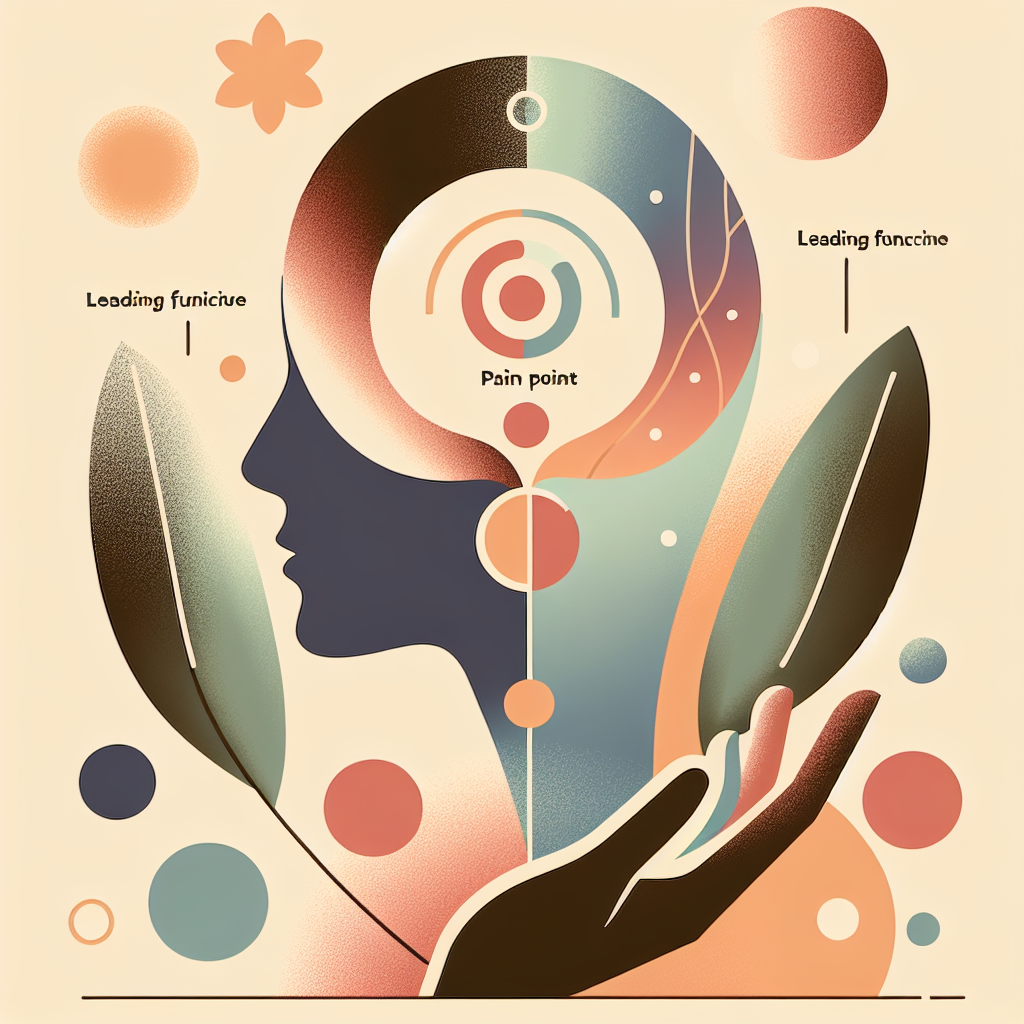
あなたは怠け者ではありません。自分を間違って使っています。
誰も本当に尋ねない質問があります:なぜ今、自分の知性や能力を最大限に活用していないのでしょうか?問題は怠惰ではありません。問題は、実際にどの部分から自分を操作しているかです。誰もがリーディング機能 - あなたのエネルギー源 - と痛みのポイント - あなたのエネルギーが流出する場所を持っています。痛みのポイントを中心に人生を構築すると、脳が電源を切ります。あなたが弱いからではありません。燃え尽きからあなたを守っているからです。考えてみてください:あなたの本質がアイデアや可能性を生み出すことであるとき、システムコントローラーになろうとしています。あるいはその逆です。すべてを注ぎ込んでも、ほとんど針を動かさない。あなたは何かが自分に間違っていると思い始めます。あなたが十分に規律がない。十分に動機がない。ただ怠け者です。しかし、それはそうではありません。それはあなたではありません。それはあなたが自分を使っている方法です。天才は特別な人々ではありません。彼らは自分のリーディング機能から生きることを学んだ人々です。彼らは毎日自分自身と戦うわけではありません - 彼らは物事が自然に、力強く来る場所から操作します。AimLiveでは、あなたは自分を4つの機能を通して見ることができます:意識的、創造的、痛みのポイント、無意識。エネルギーを失っている場所と、あなたの本当の強さがどこにあるかを理解します。あなたは症状と戦うのをやめ、実際の原因に取り組み始めます。内部には5人のAI専門家がいます:目標コーチ、戦略家-ビジョナリー、コネクションの専門家、心理学者-タイプ論者、関係の調和者。さらに、24時間365日あなたと一緒にいるガイドがいます。今、あなたが自分に尋ねることができる最も正直な質問:私が生きている方法は本当に私が望んでいることなのか、それとも他の誰かの普通の考えに合わせるのが得意になっただけなのか?
2026年4月22日