Blog

The Silent Language: A Psychological Guide to Reading People with Empathy and Precision
Human interaction is often compared to an iceberg. The words we exchange - the literal data of our conversations - represent only the small, visible tip above the waterline. Beneath the surface lies a vast, complex mass of non-verbal cues, emotional undercurrents, and psychological defenses. Learning how to "read" people is not about performing magic tricks or manipulative "mind reading." Rather, it is the sophisticated practice of active observation and emotional intelligence.
28. Apr. 2026
How AI is Reshaping the Architecture of Self-Esteem
For decades, the journey toward healthy self-esteem was a solitary one, often confined to the pages of a private journal or the quiet corners of a therapist's office. However, as we navigate the complexities of the mid-2020s, a new ally has emerged in the quest for self-worth: Artificial Intelligence. Far from being a cold, impersonal force, AI is proving to be a uniquely effective tool for dismantling the cognitive distortions that keep us trapped in cycles of self-doubt.
28. Apr. 2026
A Psychological Blueprint for Managing Social Anxiety
Social anxiety is often misunderstood as mere shyness or a personality trait belonging to introverts. In reality, it is a complex psychological state characterized by an intense, persistent fear of being watched and judged by others. From a clinical perspective, social anxiety is less about a lack of social skills and more about an overactive "threat detection" system. It is the brain misinterpreting a cocktail party or a business meeting as a high-stakes survival situation.
28. Apr. 2026
Recognizing the Subtle Architecture of Emotional Exhaustion
We live in a culture that treats endurance as a virtue and rest as a luxury. Often, we don't realize we are running on empty until the engine completely stalls. Emotional exhaustion is not merely "feeling tired" after a long week; it is a chronic state of physical and emotional depletion that results from accumulated stress from personal or work life, or a combination of both. It is the feeling of being "over-extended" to the point where the internal well has run dry. From a psychological perspective, emotional exhaustion is a core component of burnout. It occurs when the demands placed upon us consistently exceed our resources for coping. Unlike physical tiredness, which a good night’s sleep can usually remedy, emotional exhaustion settles into the bones and the psyche, altering how we perceive our world and ourselves.
28. Apr. 2026
A Psychological Guide to Finding Motivation Amidst Depression
Motivation is often viewed as a spark - a sudden burst of energy that propels us into action. However, for those navigating the heavy, gray landscape of depression, motivation isn't just absent; it feels fundamentally broken. From a clinical perspective, depression involves a complex interplay of neurochemical imbalances and cognitive "short-circuits" that make the simplest tasks feel like climbing a mountain.
28. Apr. 2026
The Psychology of Purpose: How To Set Goals That Work For You
We are often told that the key to success is simply "wanting it more." We are inundated with productivity hacks, rigid frameworks, and the relentless pressure to optimize every waking hour. Yet, for many, the arrival of a new month or year brings a familiar cycle: a burst of initial enthusiasm followed by a slow, guilt-ridden drift away from our intentions.
28. Apr. 2026
The Architecture of Affection: Decoding the Psychology of Dating Compatibility
Compatibility is often discussed as if it were a mysterious celestial alignment - a "spark" that either exists or does not. However, from a psychological perspective, compatibility is far more structured. It is the complex interlocking of two distinct personality architectures. Understanding why we gravitate toward certain individuals, and why some relationships flourish while others falter, requires looking beneath the surface of shared hobbies into the bedrock of psychological traits.
28. Apr. 2026
AI for Mental Health: How Technology Reshapes Self-Discovery
Explore the psychological shift toward AI mental health support. Learn how digital companions help with emotional regulation, cognitive reframing, and self-knowledge through a professional lens.
22. Apr. 2026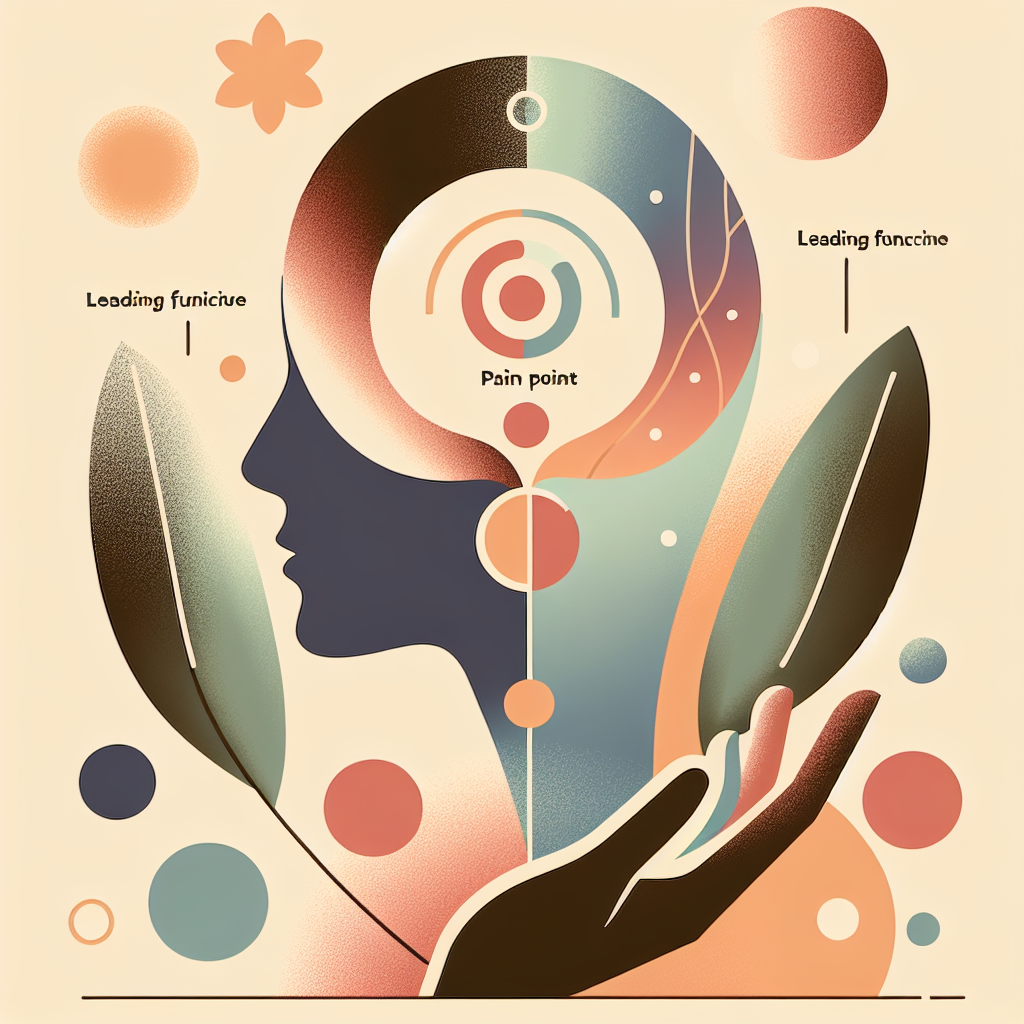
Du bist nicht faul. Du nutzt dich falsch.
Es gibt eine Frage, die niemand wirklich stellt: Warum nutzt du dein Intelligenz und deine Fähigkeiten nicht jetzt in vollem Umfang? Das Problem ist nicht Faulheit. Das Problem ist, von welchem Teil von dir du tatsächlich aus operierst. Jeder hat eine führende Funktion - deine Energiequelle - und einen Schmerzpunkt - der Ort, an dem deine Energie abfließt. Wenn du dein Leben um deinen Schmerzpunkt herum aufbaust, schneidet dein Gehirn die Energie ab. Nicht weil du schwach bist. Weil es dich vor einem Burnout schützt. Denk darüber nach: Du versuchst, ein Systemcontroller zu sein, während es deiner Natur entspricht, Ideen und Möglichkeiten zu generieren. Oder umgekehrt. Du steckst alles hinein, bewegst aber kaum die Nadel. Und du beginnst zu denken, dass etwas mit dir nicht stimmt. Dass du nicht diszipliniert genug bist. Nicht motiviert genug. Einfach faul. Aber das ist es nicht. Es ist nicht du. Es ist, wie du dich selbst nutzt. Genies sind keine besonderen Menschen. Sie sind Menschen, die gelernt haben, aus ihrer führenden Funktion zu leben. Sie kämpfen nicht jeden Tag gegen sich selbst - sie operieren von dem Ort aus, wo die Dinge natürlich und kraftvoll kommen. Bei AimLive siehst du dich durch vier Funktionen: Bewusst, Kreativ, Schmerzpunkt und Unbewusst. Du verstehst, wo du Energie verlierst und wo deine wahre Stärke liegt. Du hörst auf, gegen die Symptome zu kämpfen, und beginnst, an der eigentlichen Ursache zu arbeiten. Im Inneren gibt es 5 KI-Spezialisten: einen Zielcoach, einen Strategen-Visonär, einen Verbindungensexperten, einen Psychologen-Typologen und einen Beziehungs-Harmonizer. Plus einen Guide, der 24/7 bei dir ist. Die ehrlichste Frage, die du dir jetzt stellen kannst: Ist die Art, wie ich lebe, tatsächlich das, was ich will - oder habe ich einfach gelernt, mich gut in die Vorstellung anderer von Normalität einzufügen?
22. Apr. 2026