Journal

Blog

Psychology, relationships, motivation, burnout, and self-discovery. Search by title, keywords, or ideas inside the article body.

Search works across title, description, keywords, and article text, without requiring the exact phrase order.

24 of 24 articles
10

What is a toxic relationship

Pop culture has diluted the word "toxic," often using it to describe any relationship with conflict. However, from a clinical perspective, a toxic relationship is not defined by normal arguments. It is defined by a syste…

16

The Silent Language: A Psychological Guide to Reading People with Empathy and Precision

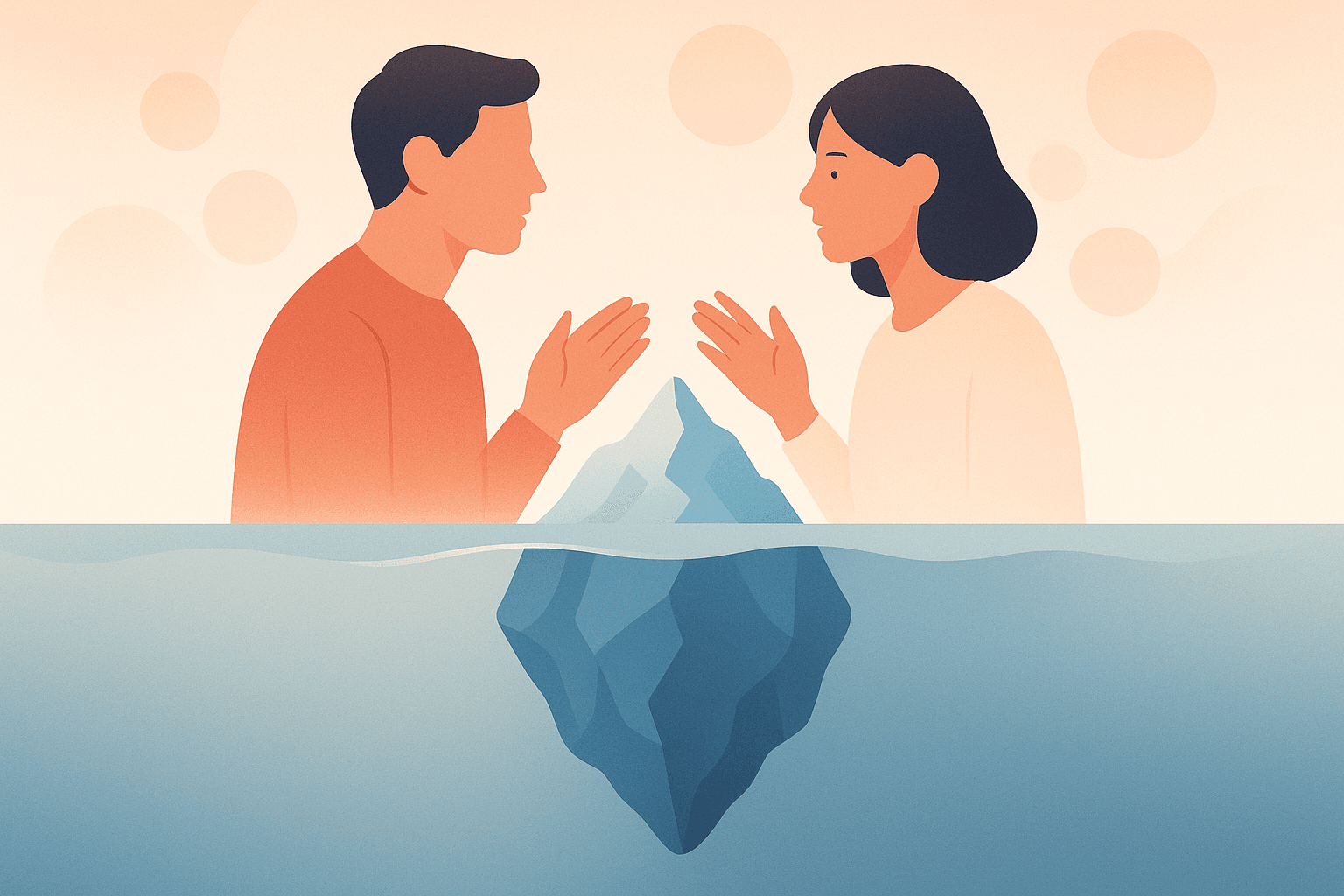
Human interaction is often compared to an iceberg. The words we exchange - the literal data of our conversations - represent only the small, visible tip above the waterline. Beneath the surface lies a vast, complex mass of non-verbal cues, emotional undercurrents, and psychological defenses. Learning how to "read" people is not about performing magic tricks or manipulative "mind reading." Rather, it is the sophisticated practice of active observation and emotional intelligence.

17

How AI is Reshaping the Architecture of Self-Esteem

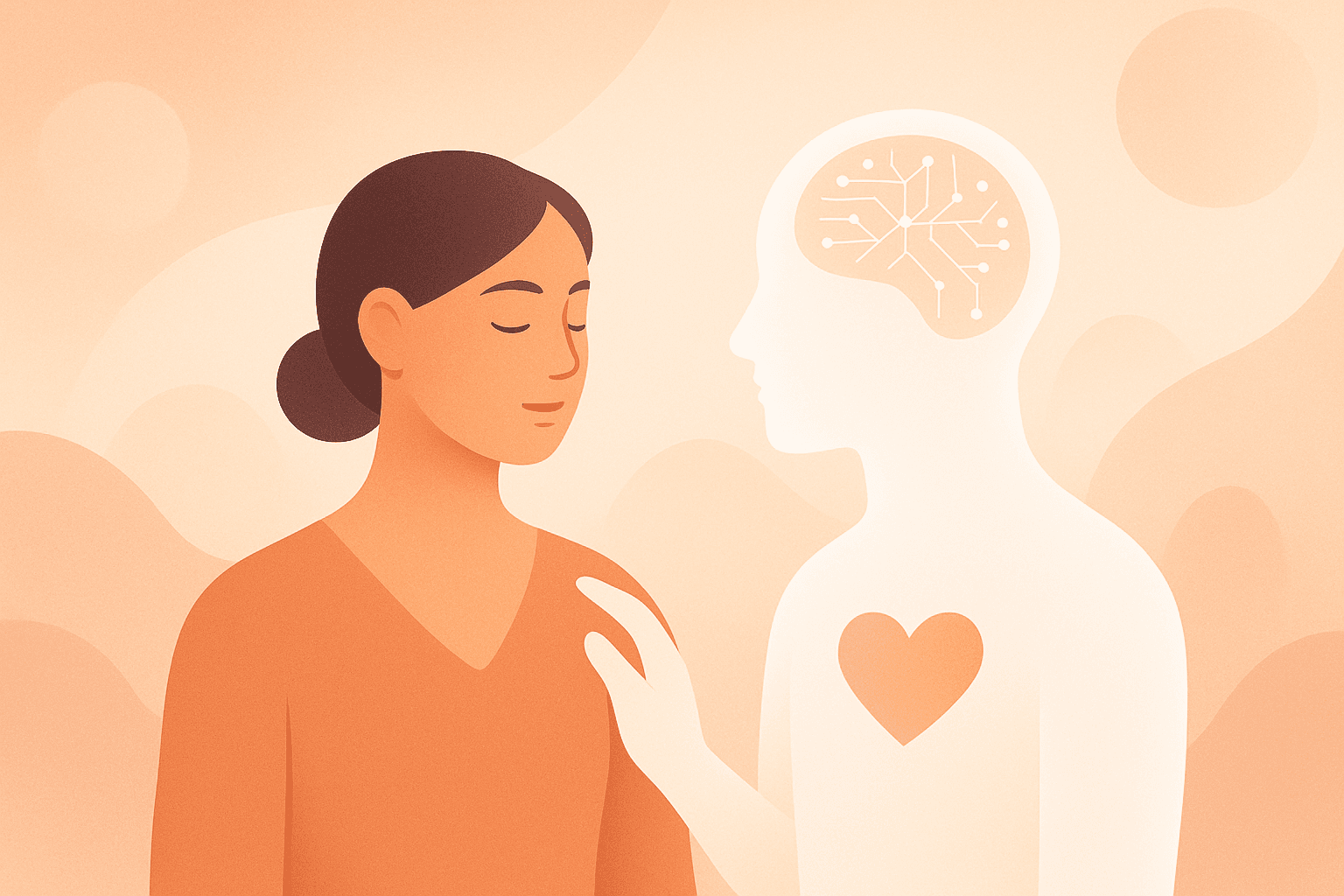
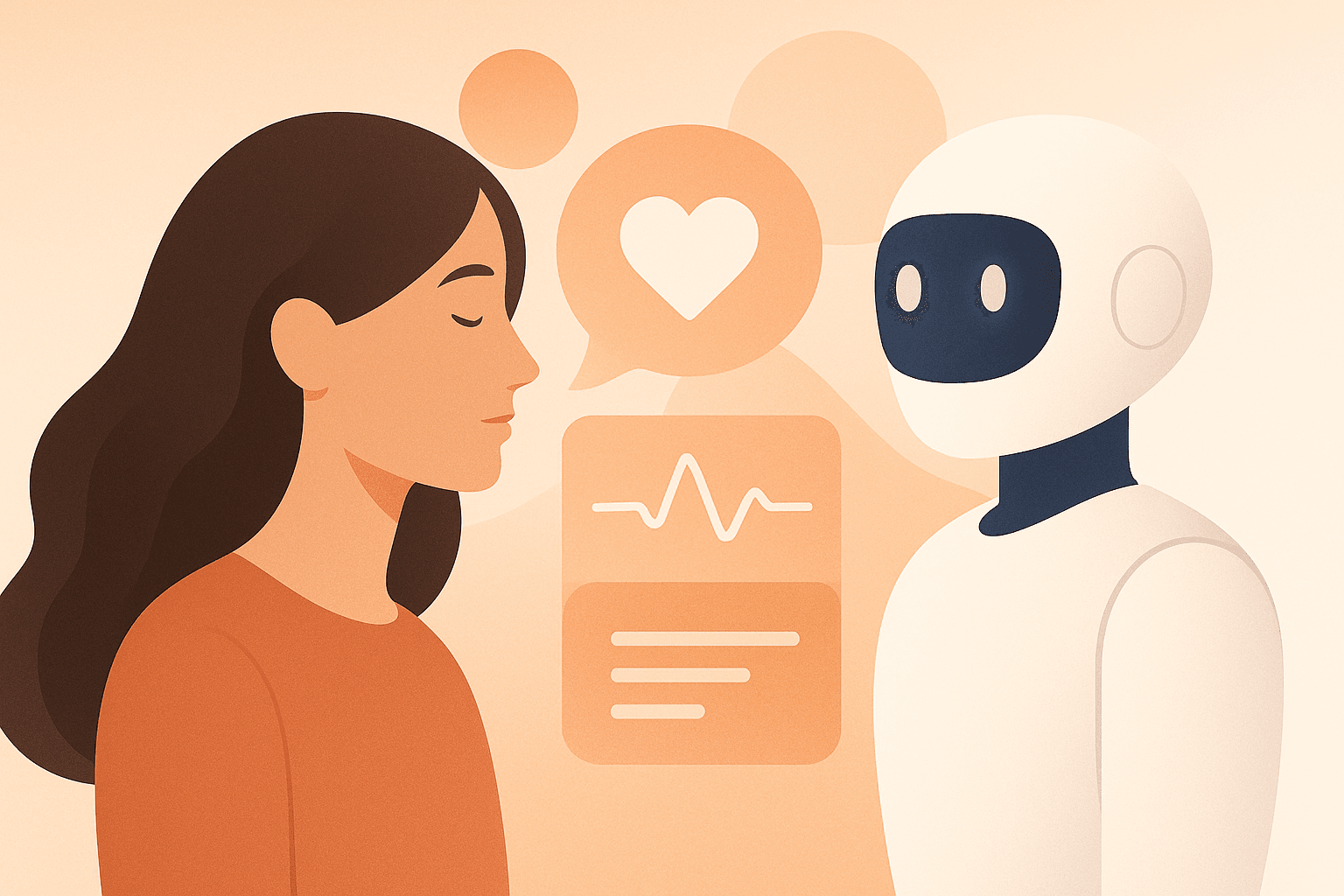
For decades, the journey toward healthy self-esteem was a solitary one, often confined to the pages of a private journal or the quiet corners of a therapist's office. However, as we navigate the complexities of the mid-2020s, a new ally has emerged in the quest for self-worth: Artificial Intelligence. Far from being a cold, impersonal force, AI is proving to be a uniquely effective tool for dismantling the cognitive distortions that keep us trapped in cycles of self-doubt.

18

A Psychological Blueprint for Managing Social Anxiety

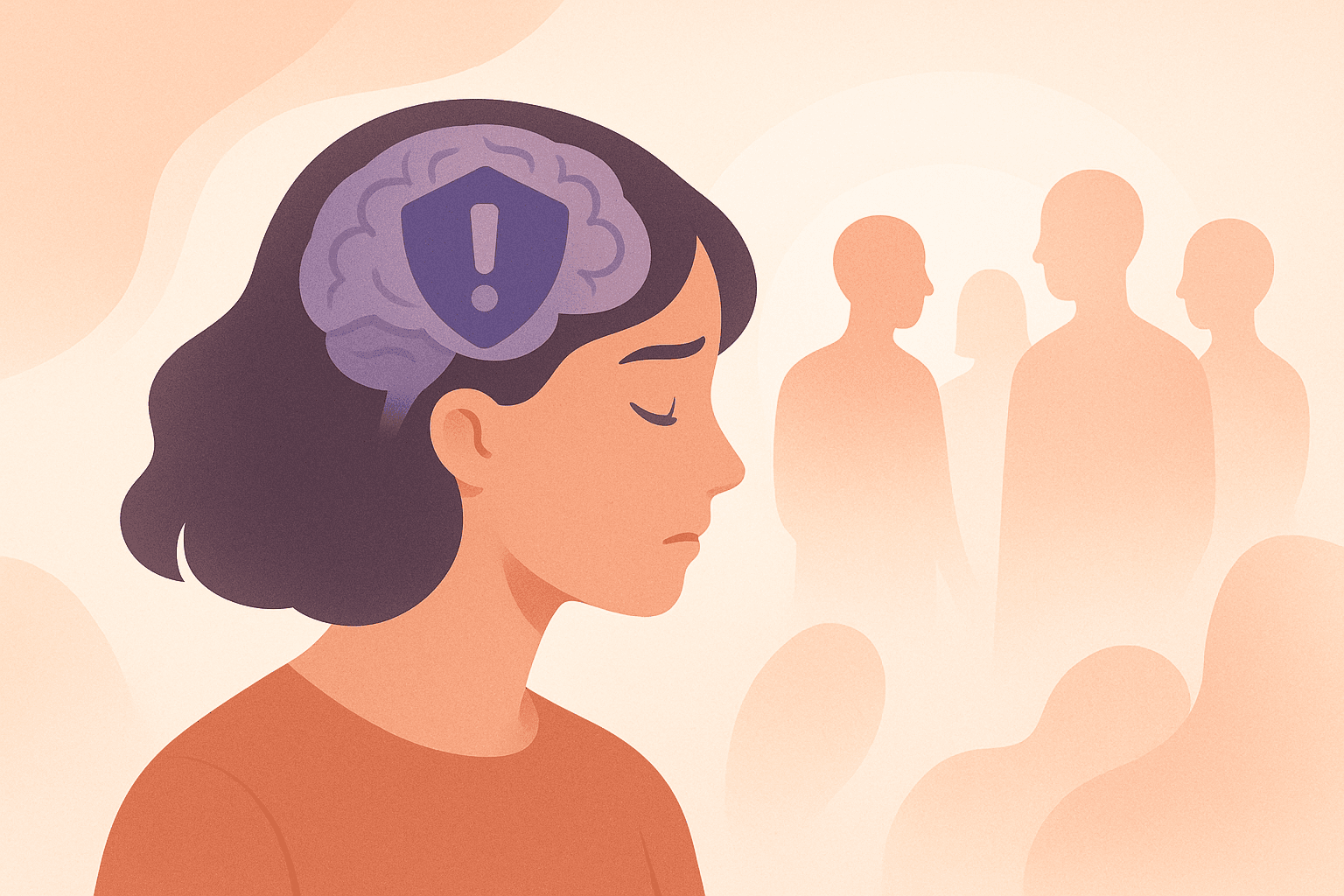
Social anxiety is often misunderstood as mere shyness or a personality trait belonging to introverts. In reality, it is a complex psychological state characterized by an intense, persistent fear of being watched and judged by others. From a clinical perspective, social anxiety is less about a lack of social skills and more about an overactive "threat detection" system. It is the brain misinterpreting a cocktail party or a business meeting as a high-stakes survival situation.

19

Recognizing the Subtle Architecture of Emotional Exhaustion

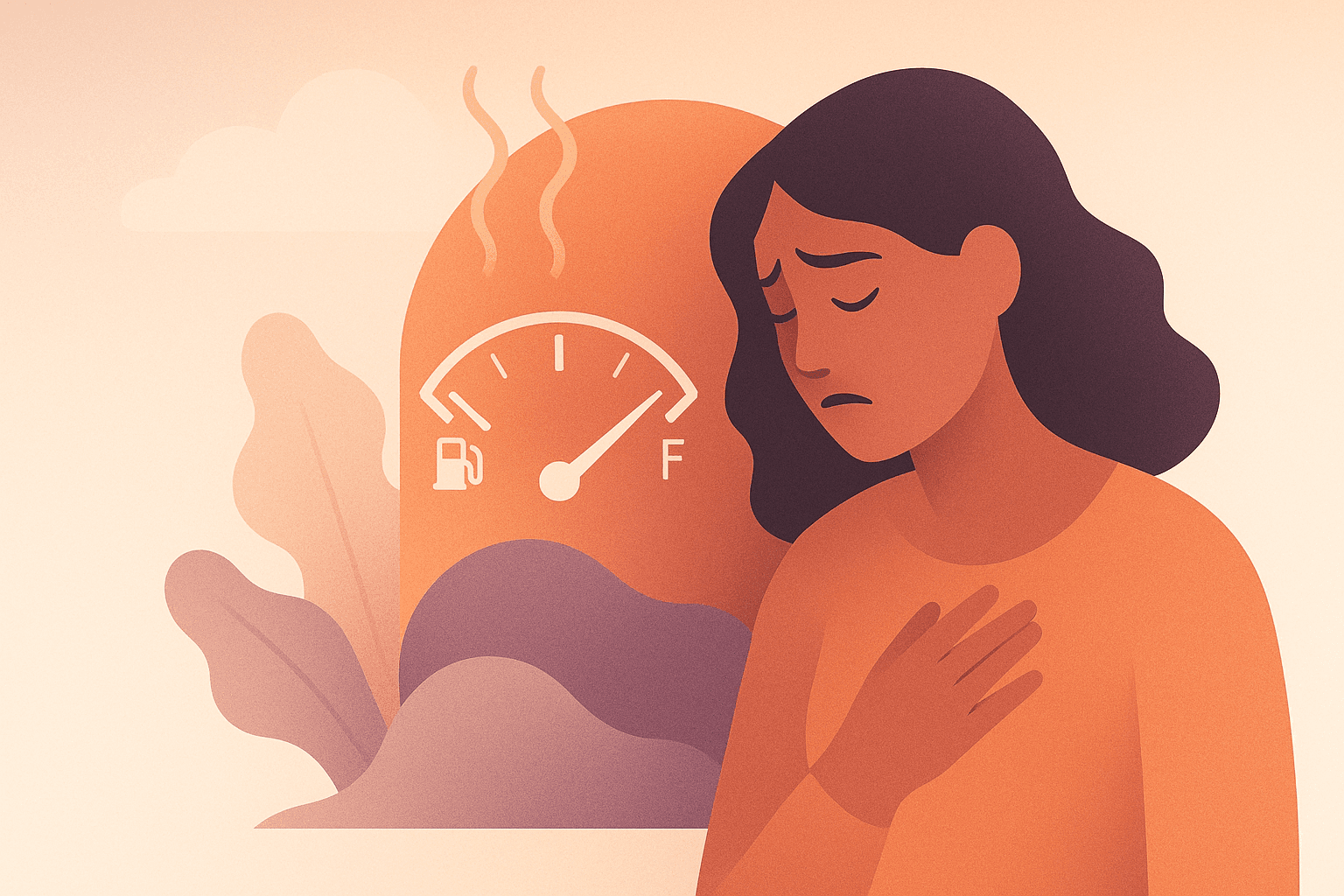
We live in a culture that treats endurance as a virtue and rest as a luxury. Often, we don't realize we are running on empty until the engine completely stalls. Emotional exhaustion is not merely "feeling tired" after a long week; it is a chronic state of physical and emotional depletion that results from accumulated stress from personal or work life, or a combination of both. It is the feeling of being "over-extended" to the point where the internal well has run dry. From a psychological perspective, emotional exhaustion is a core component of burnout. It occurs when the demands placed upon us consistently exceed our resources for coping. Unlike physical tiredness, which a good night’s sleep can usually remedy, emotional exhaustion settles into the bones and the psyche, altering how we perceive our world and ourselves.

20

A Psychological Guide to Finding Motivation Amidst Depression

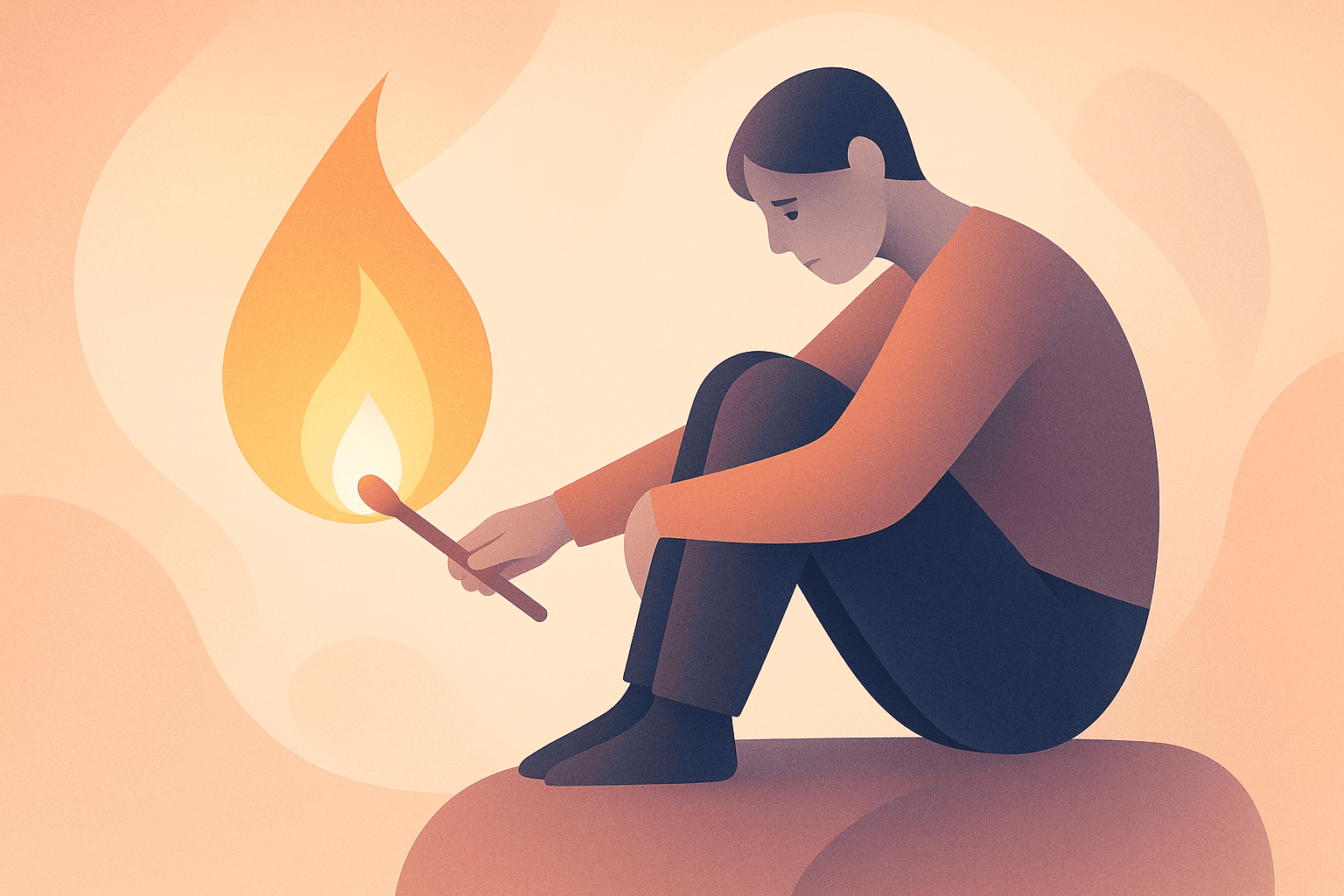
Motivation is often viewed as a spark - a sudden burst of energy that propels us into action. However, for those navigating the heavy, gray landscape of depression, motivation isn't just absent; it feels fundamentally broken. From a clinical perspective, depression involves a complex interplay of neurochemical imbalances and cognitive "short-circuits" that make the simplest tasks feel like climbing a mountain.

21

The Psychology of Purpose: How To Set Goals That Work For You

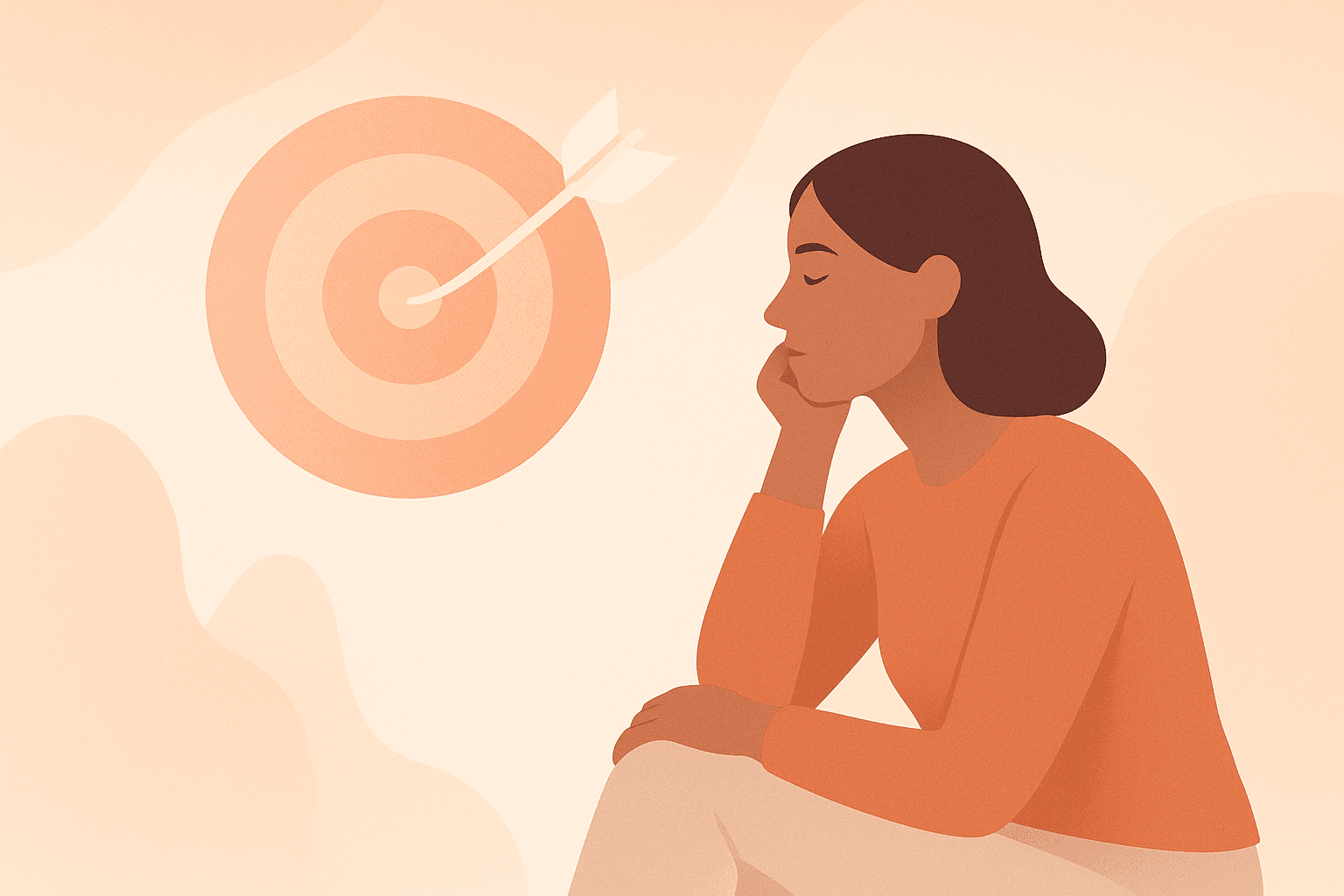
We are often told that the key to success is simply "wanting it more." We are inundated with productivity hacks, rigid frameworks, and the relentless pressure to optimize every waking hour. Yet, for many, the arrival of a new month or year brings a familiar cycle: a burst of initial enthusiasm followed by a slow, guilt-ridden drift away from our intentions.

22

The Architecture of Affection: Decoding the Psychology of Dating Compatibility

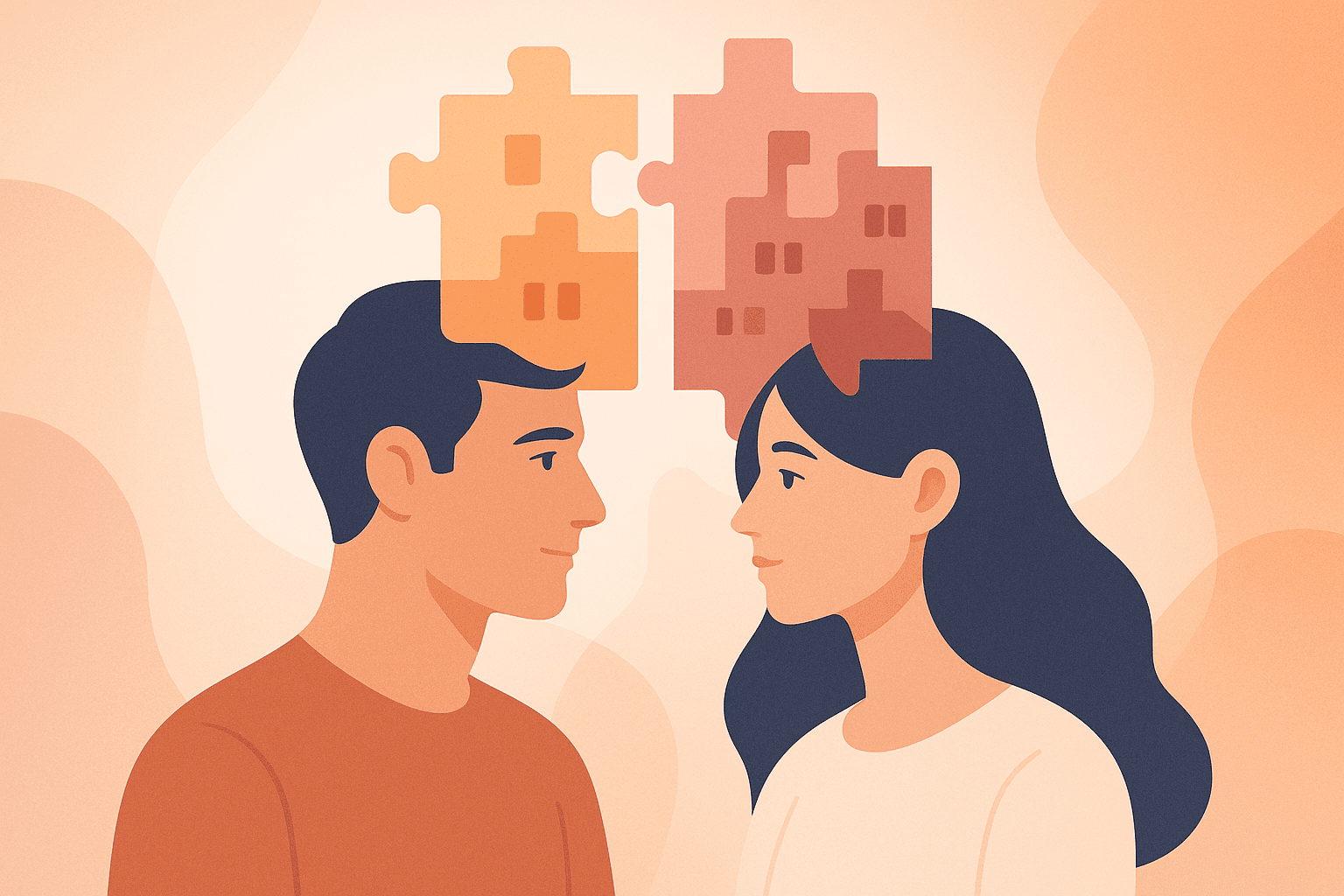
Compatibility is often discussed as if it were a mysterious celestial alignment - a "spark" that either exists or does not. However, from a psychological perspective, compatibility is far more structured. It is the complex interlocking of two distinct personality architectures. Understanding why we gravitate toward certain individuals, and why some relationships flourish while others falter, requires looking beneath the surface of shared hobbies into the bedrock of psychological traits.

24

You’re Not Lazy. You’re Using Yourself Wrong

There's a question nobody really asks: why aren't you using your intelligence and abilities to their full potential right now? ⠀ The problem isn't laziness. The problem is which part of yourself you're actually operating from ⠀ Everyone has a leading function - your energy source - and a pain point - the place where your energy drains out. When you build your life around your pain point, your brain cuts the power. Not because you're weak. Because it's protecting you from burnout ⠀ Think about it: you're trying to be a systems controller when your nature is to generate ideas and possibilities. Or the opposite. You pour everything into it, but barely move the needle. And you start thinking something is wrong with you. That you're not disciplined enough. Not motivated enough. Just lazy. But that's not it. It's not you. It's how you're using yourself ⠀ Geniuses aren't special people. They're people who learned to live from their leading function. They don't fight themselves every single day - they operate from the place where things come naturally and powerfully ⠀ In AimLive, you see yourself through four functions: Conscious, Creative, Pain Point, and Unconscious. You understand where you're losing energy and where your real strength lives. You stop fighting the symptoms and start working on the actual cause. Inside, there are 5 AI specialists: a goals coach, a strategist-visionary, a connections expert, a psychologist-typologist, and a relationship harmonizer. Plus a guide with you 24/7 ⠀ The most honest question you can ask yourself right now: is the way I'm living actually what I want - or have I just gotten really good at fitting into someone else's idea of normal?